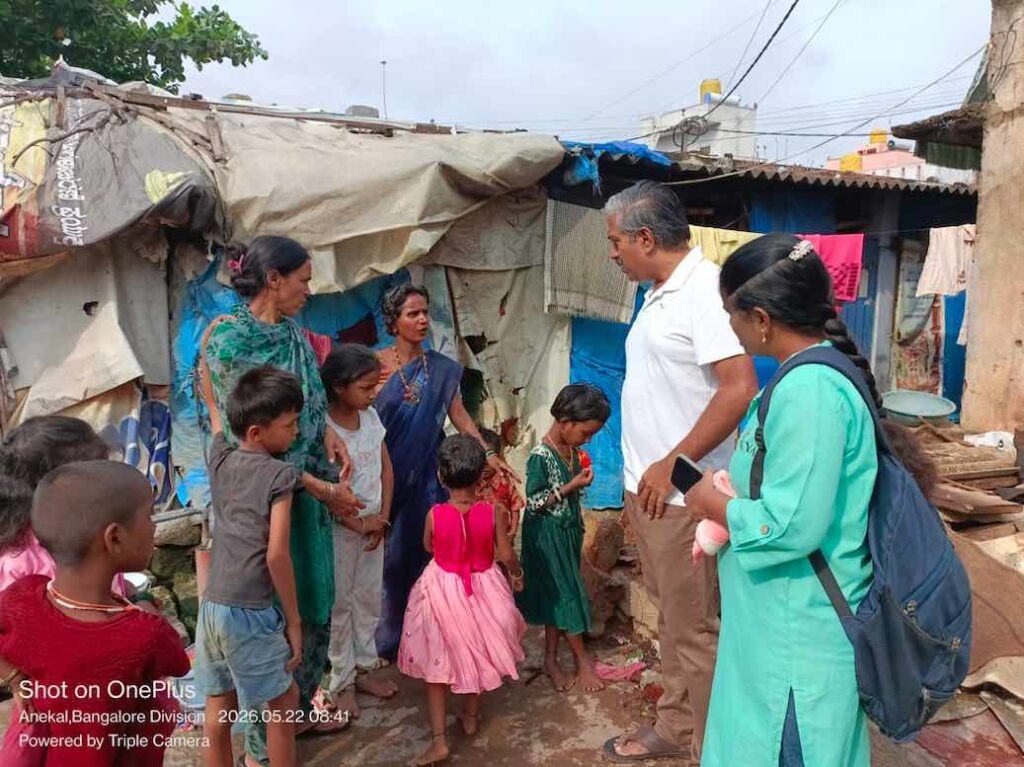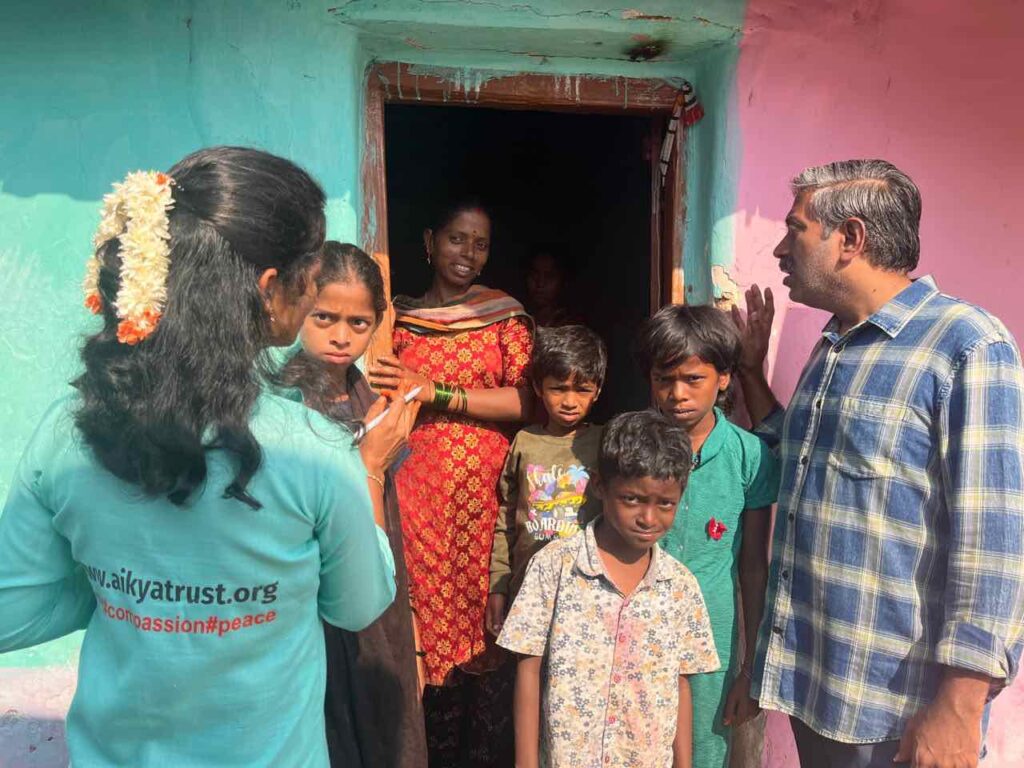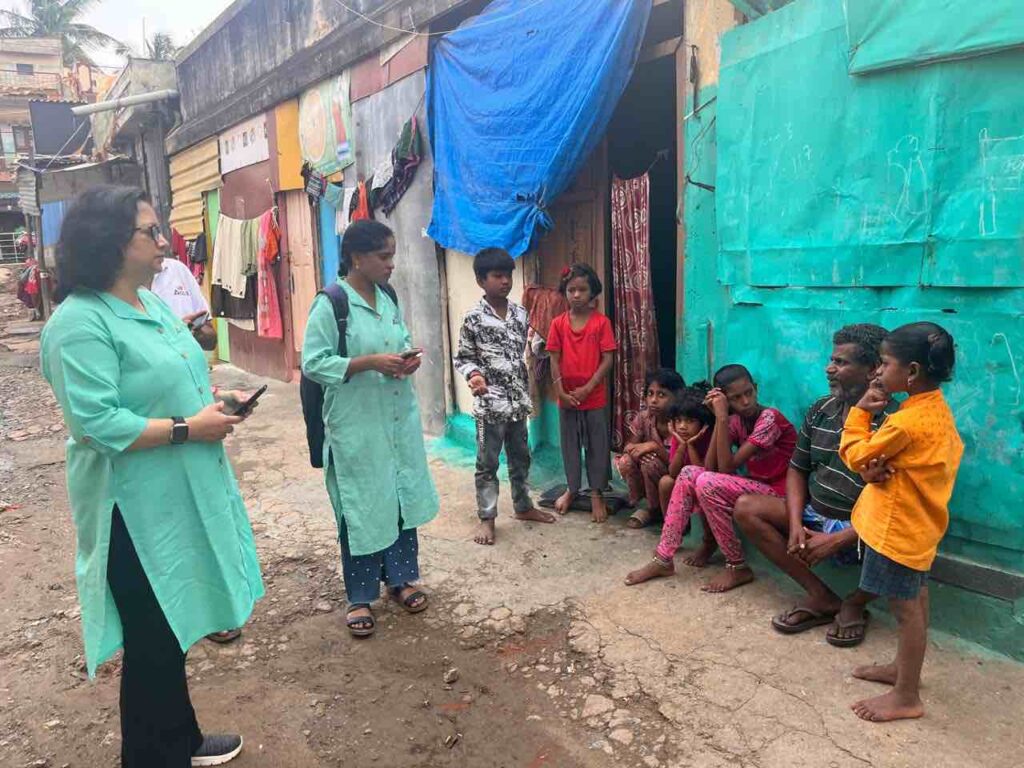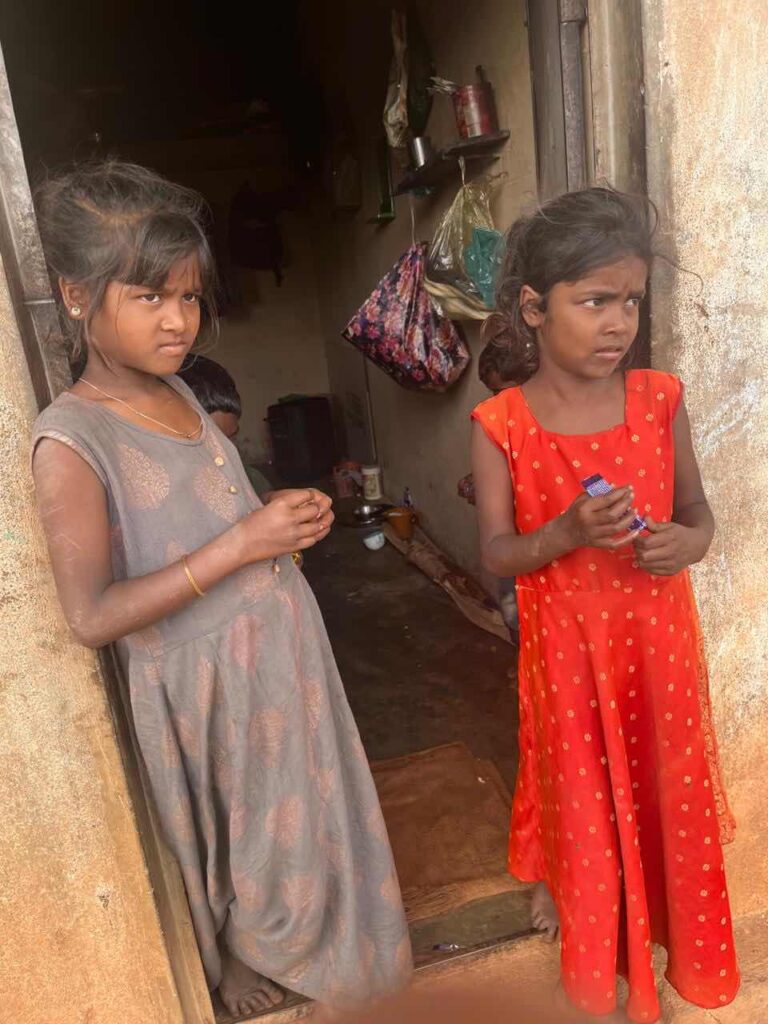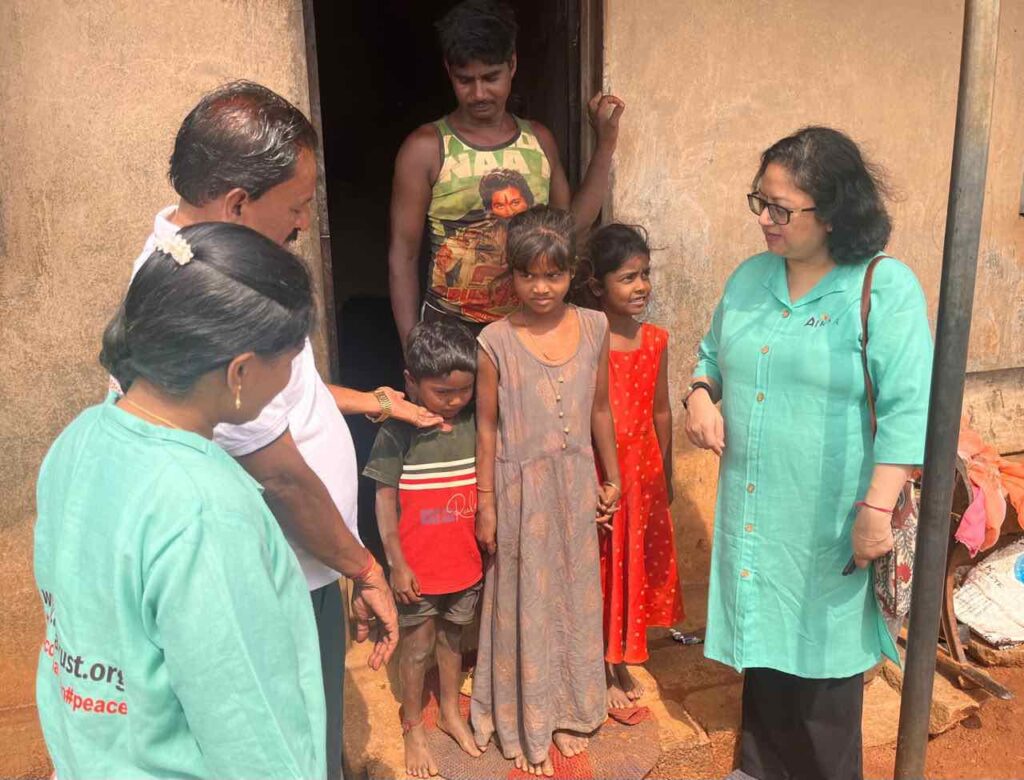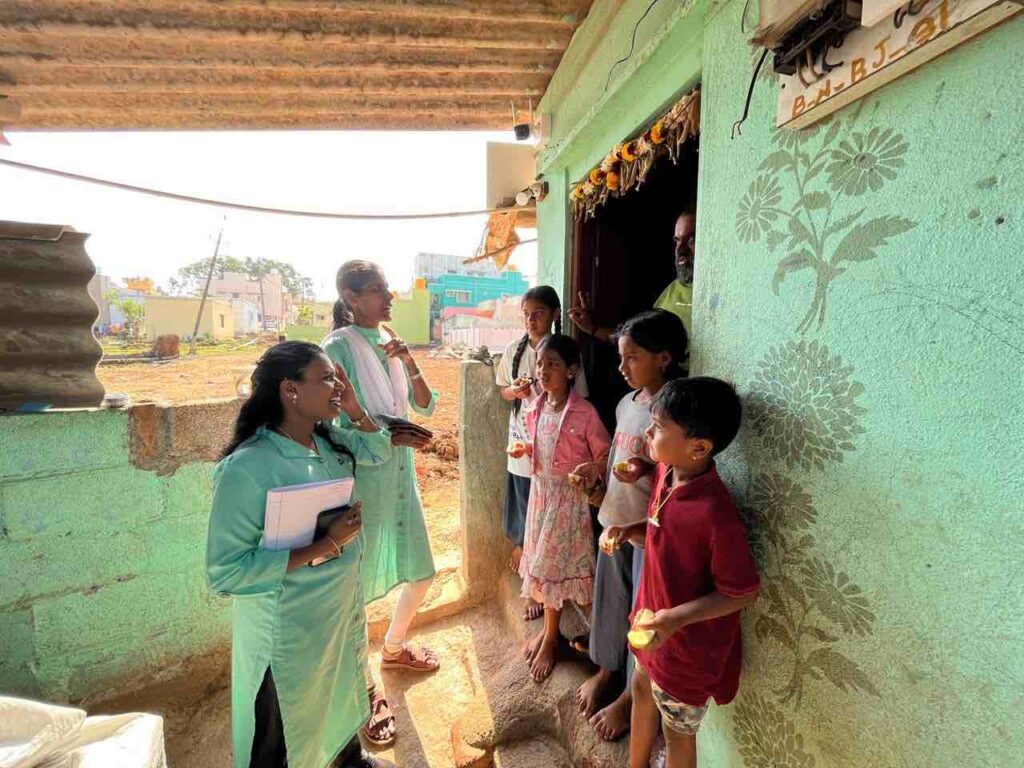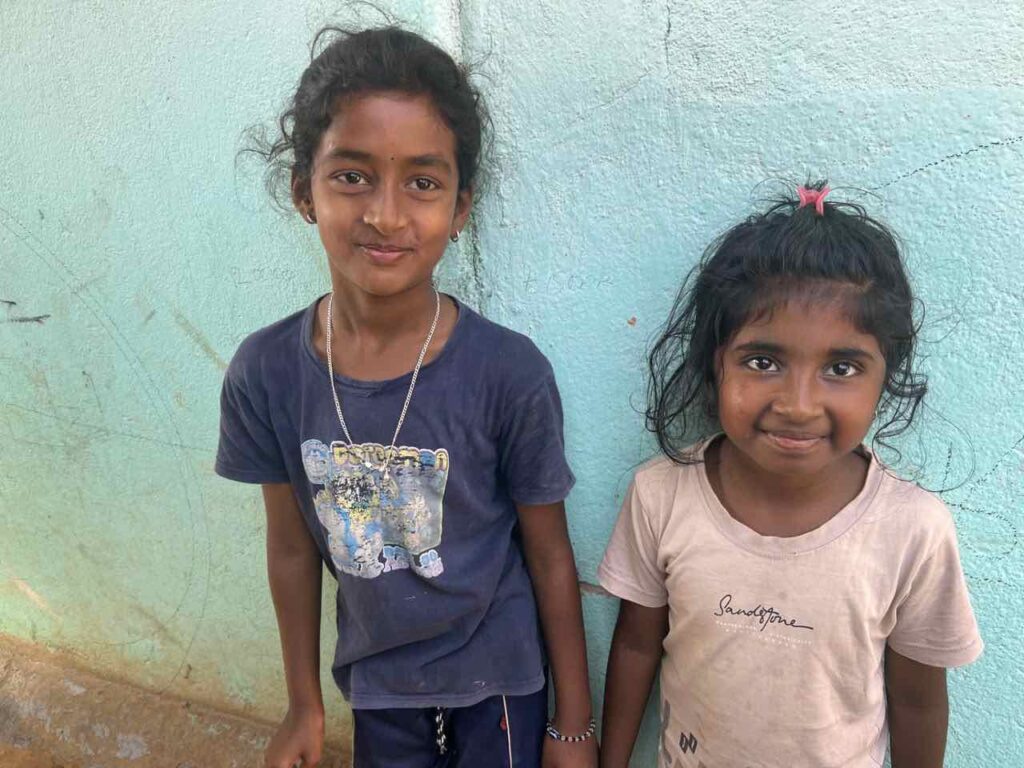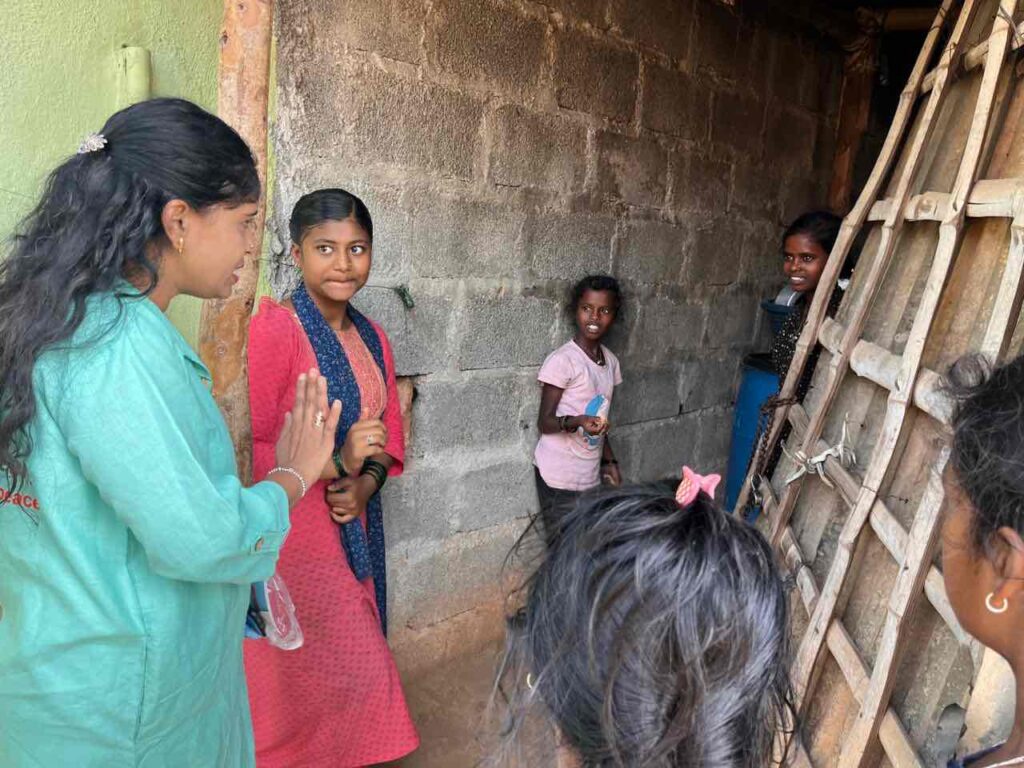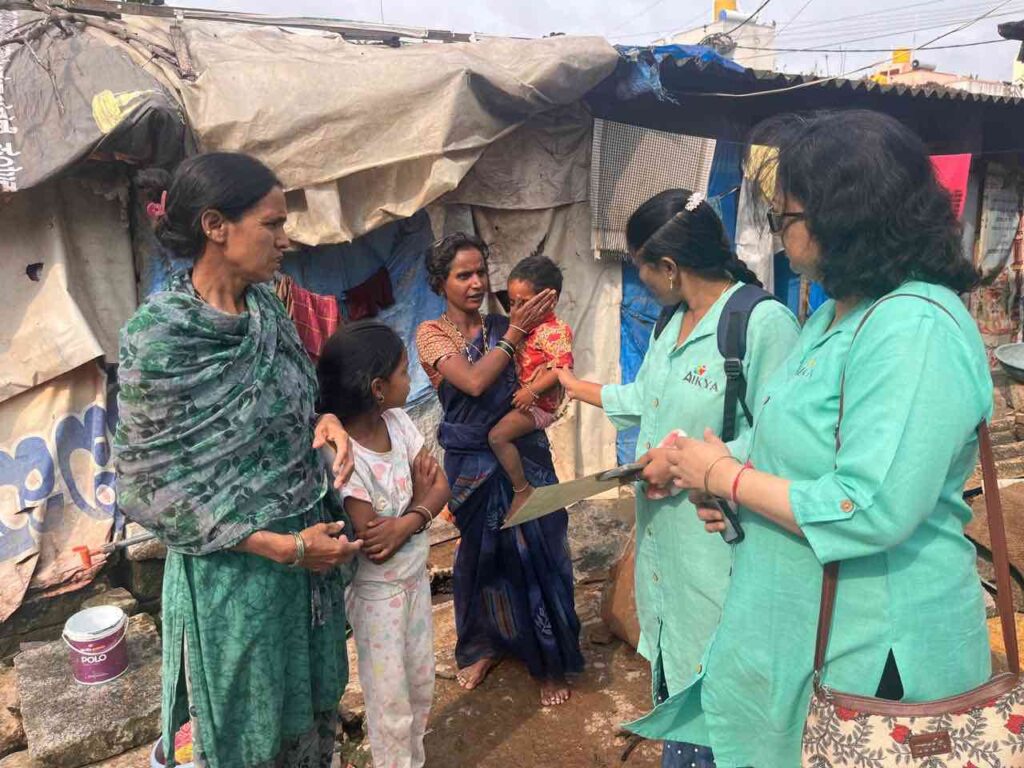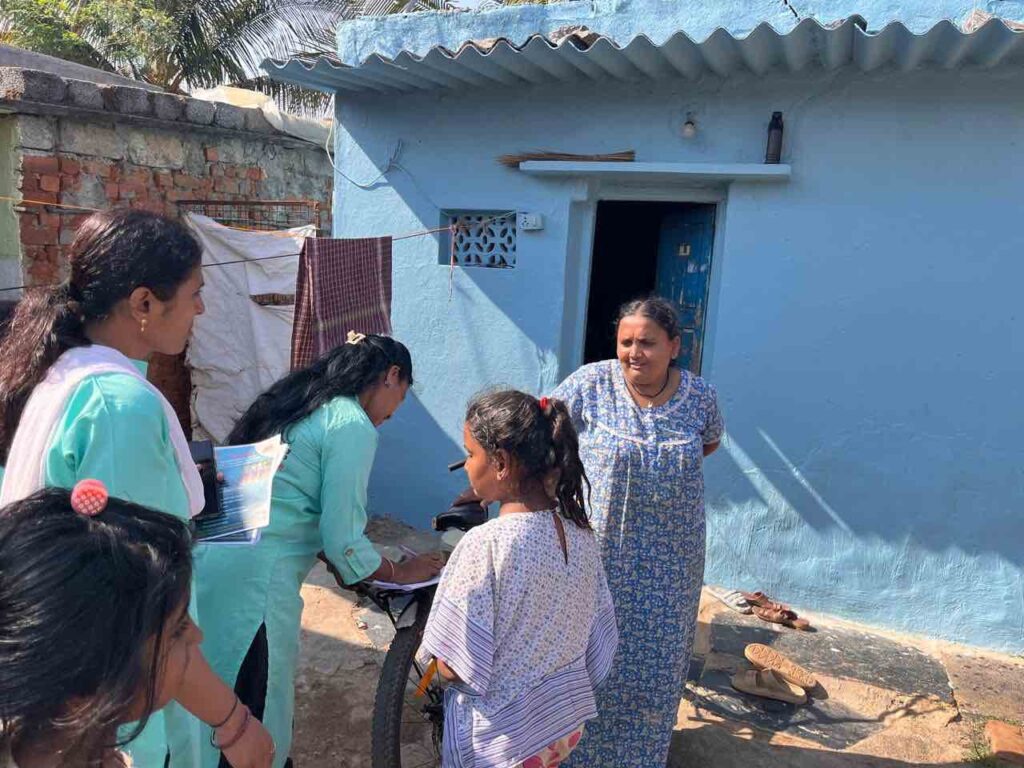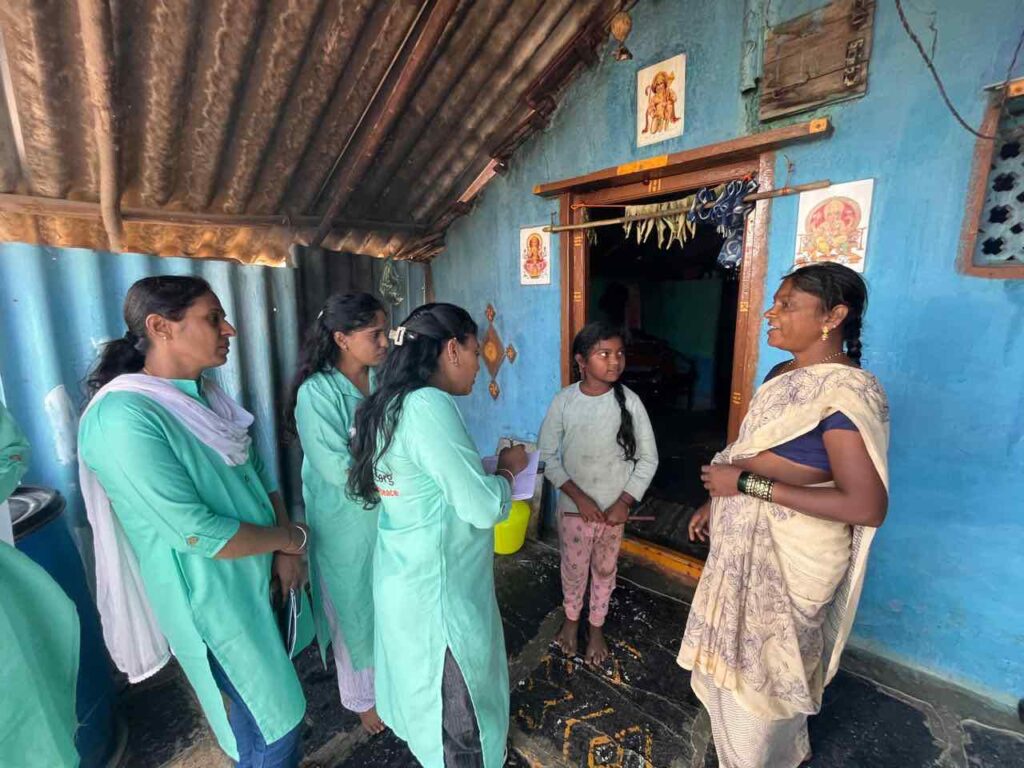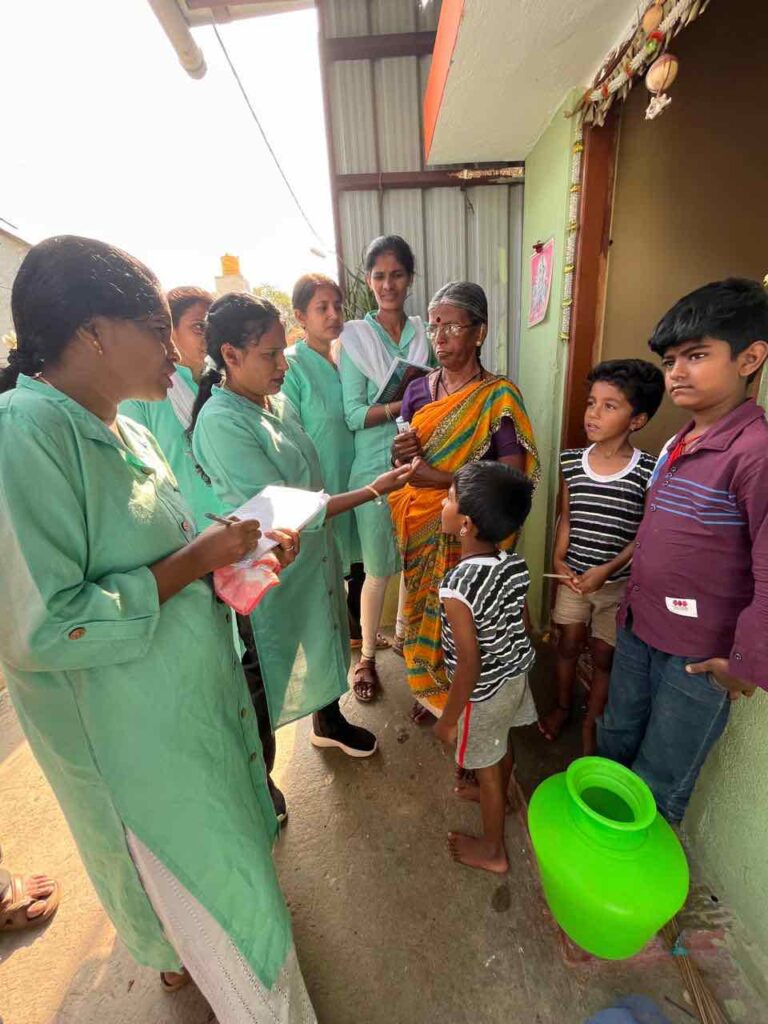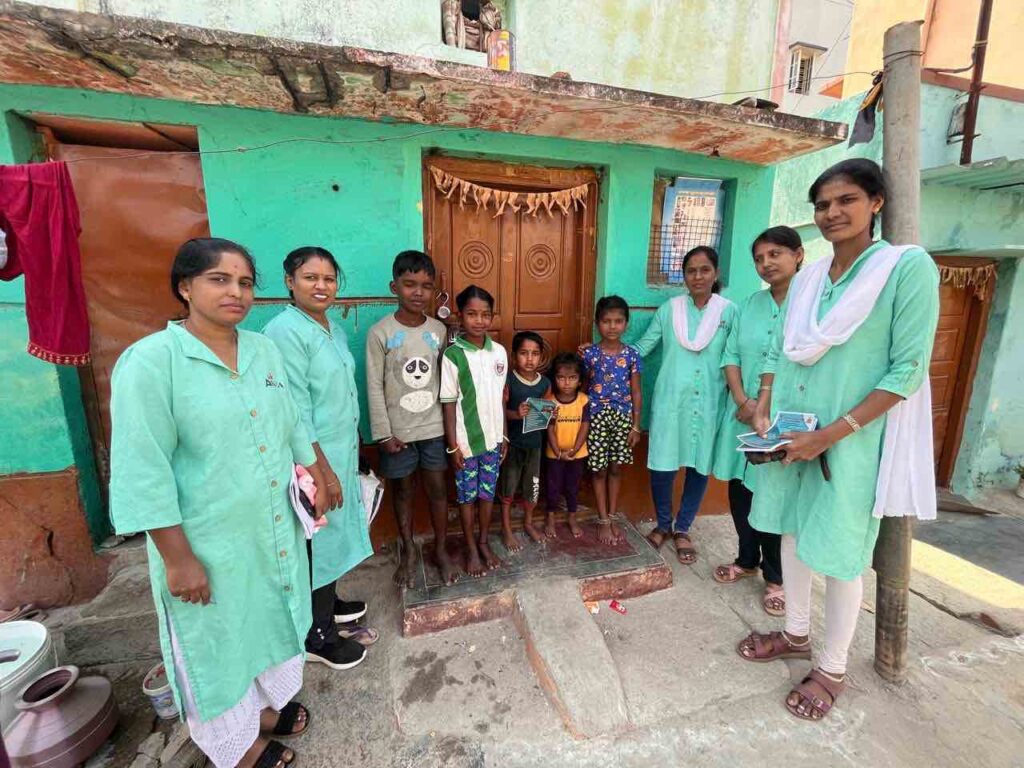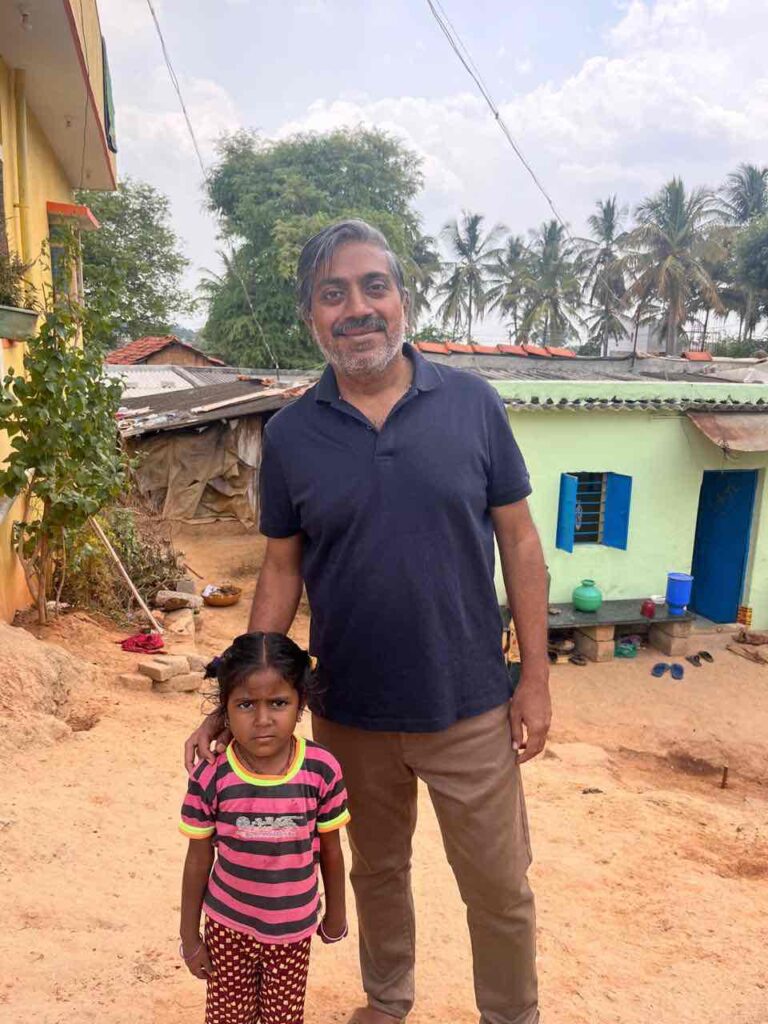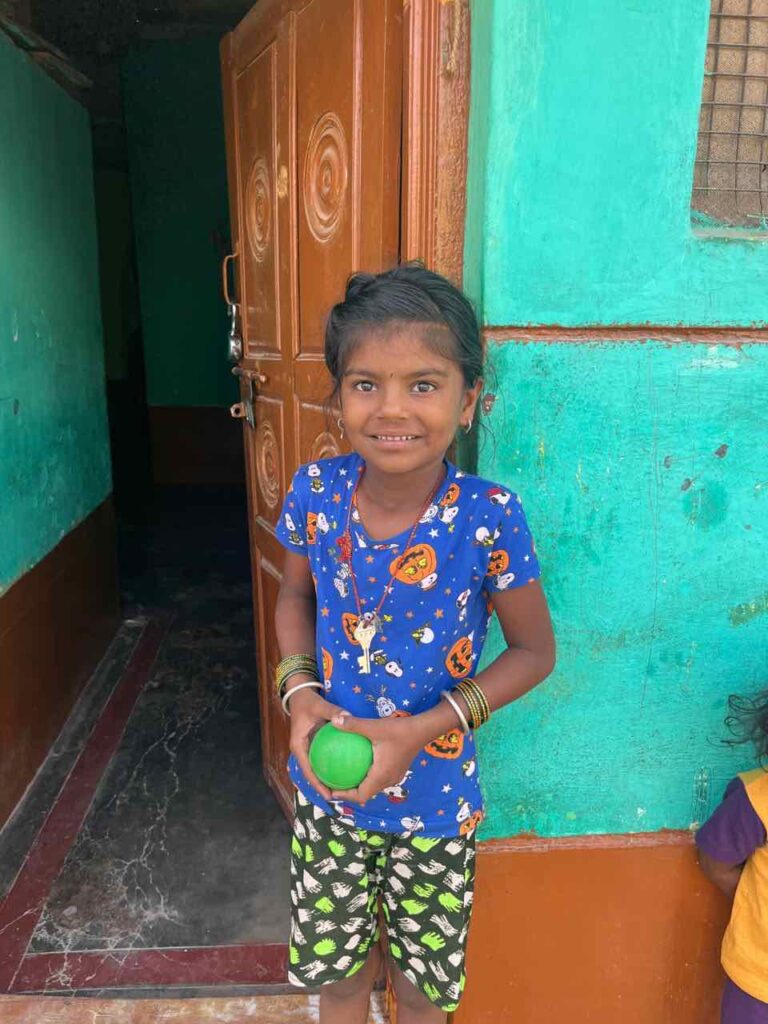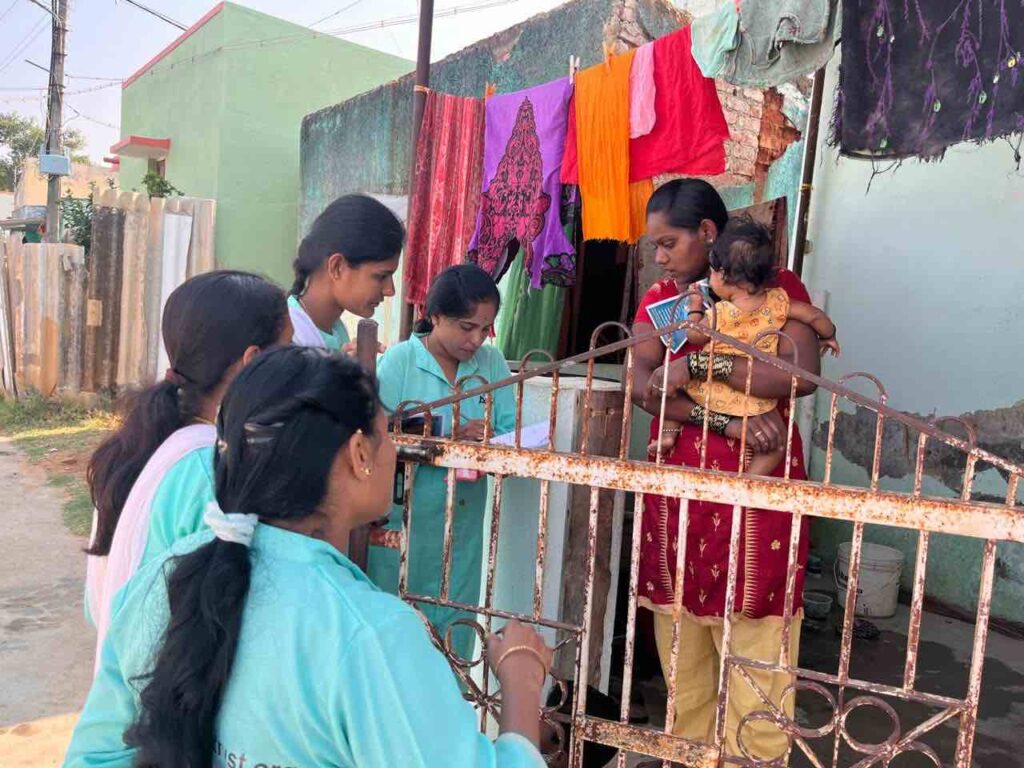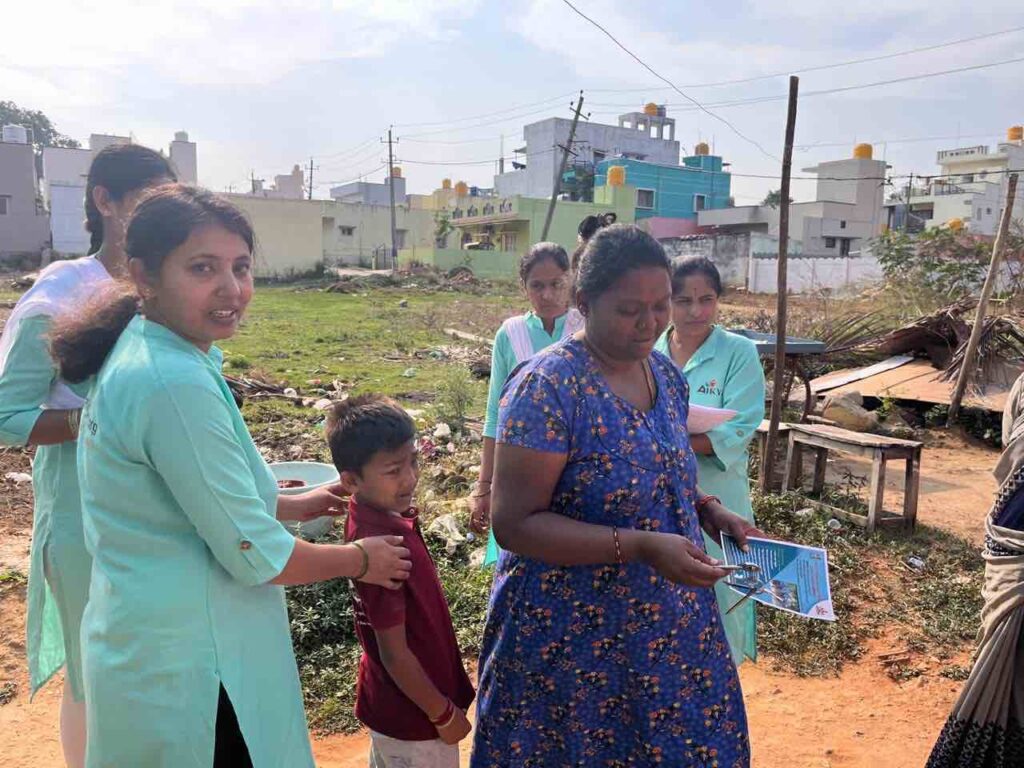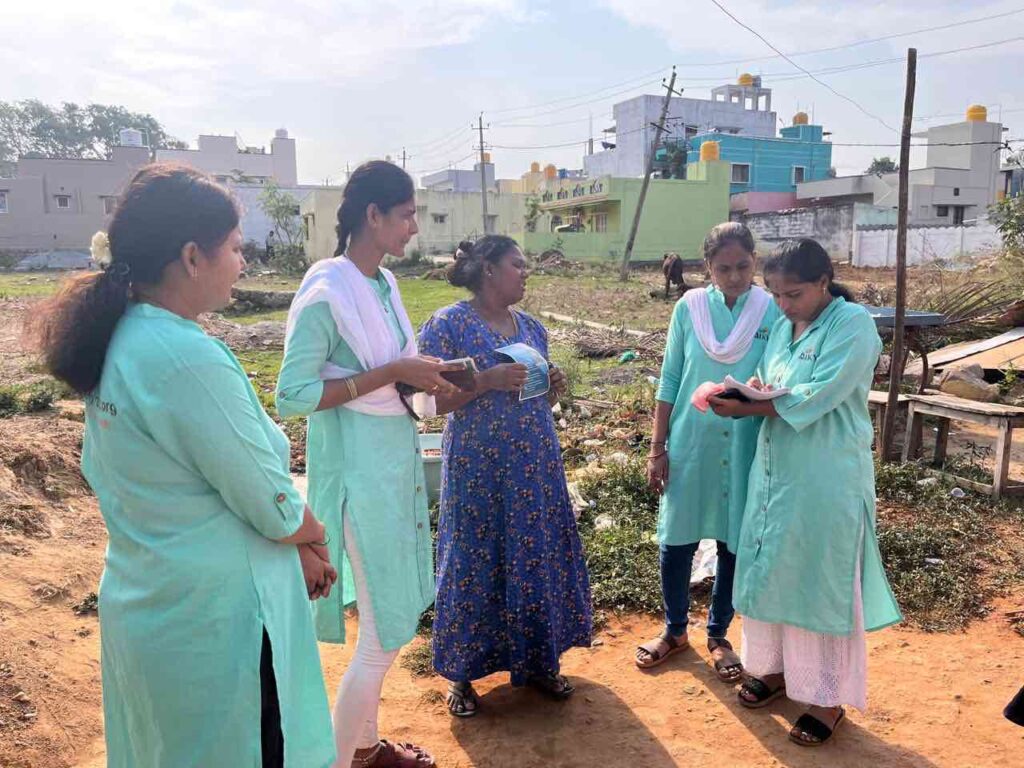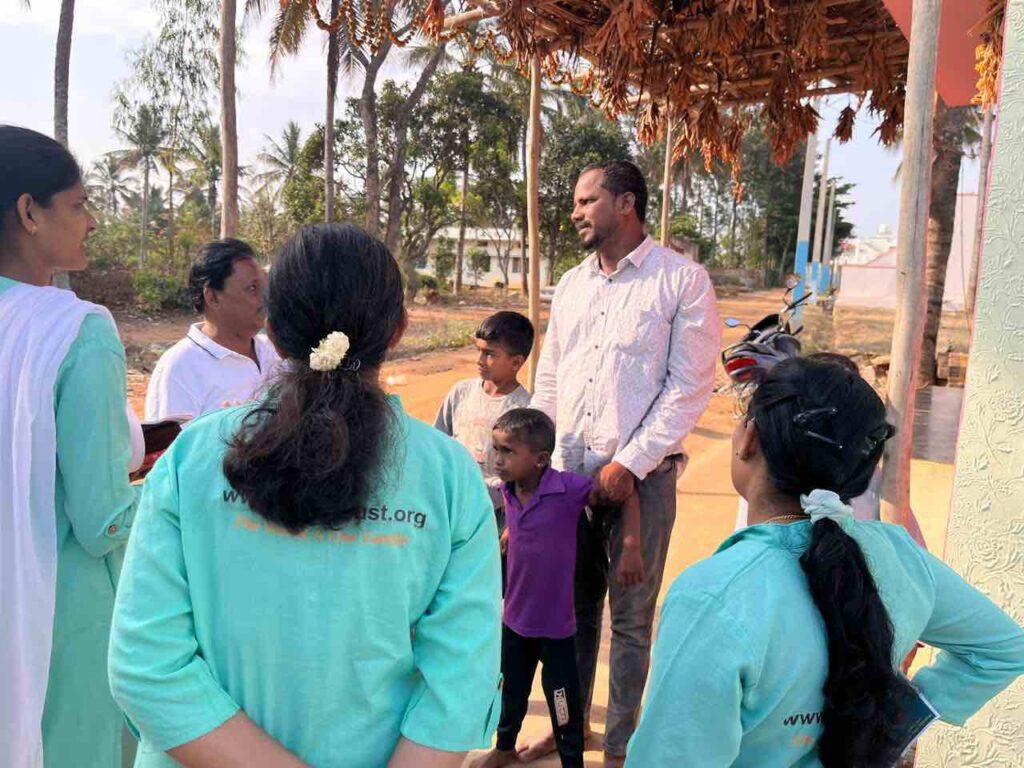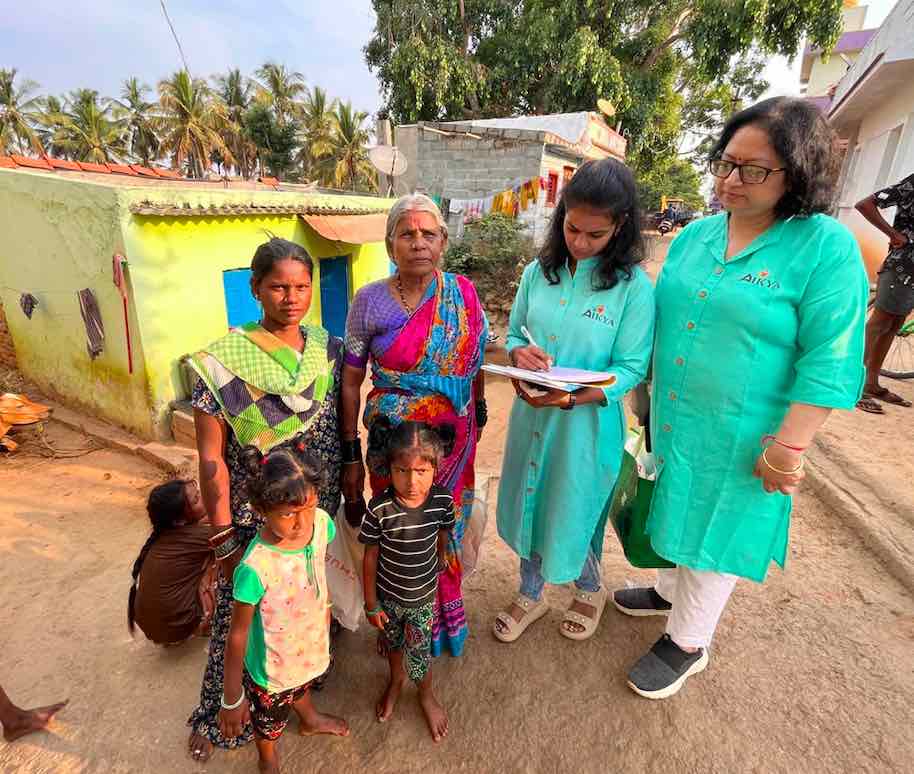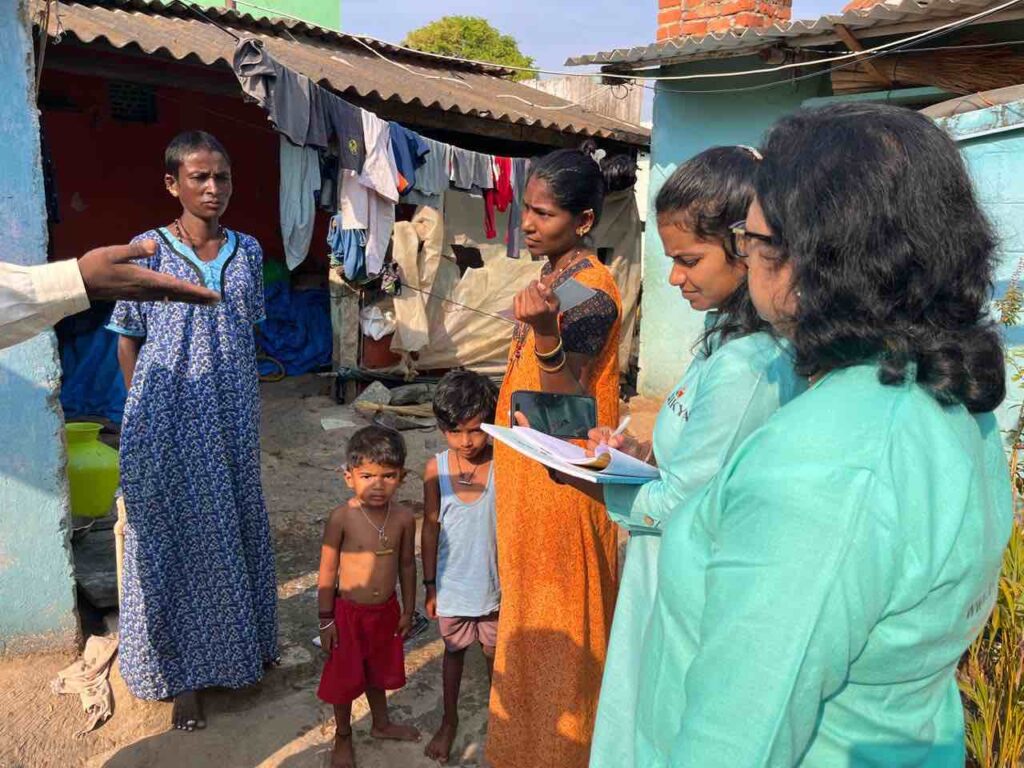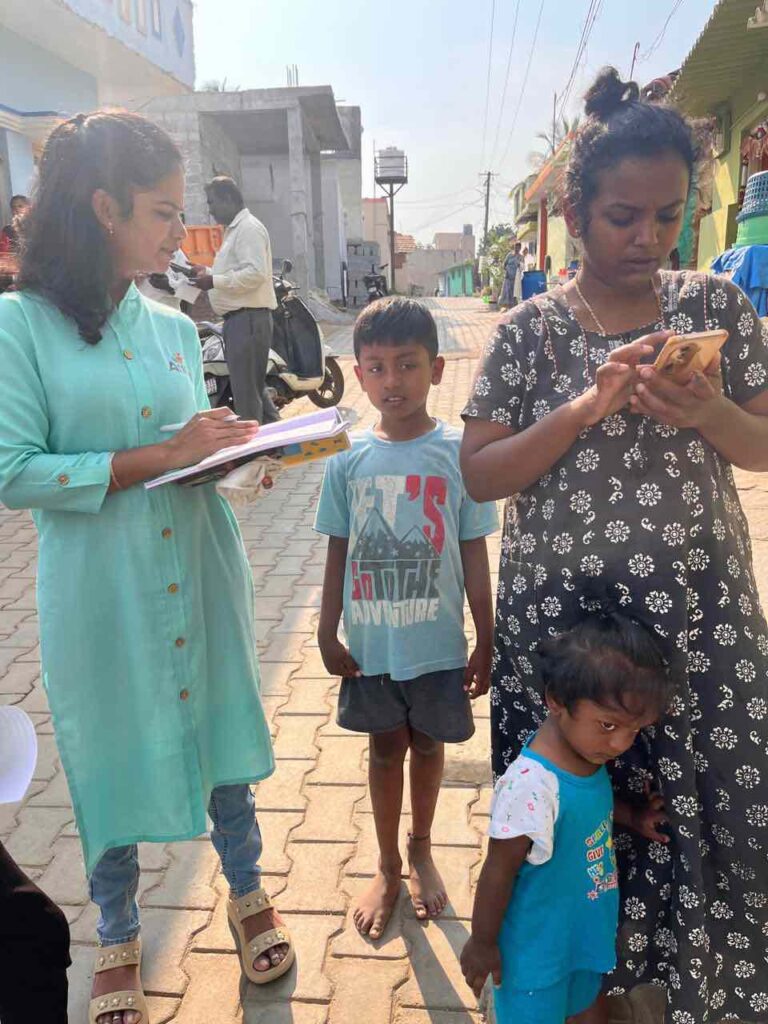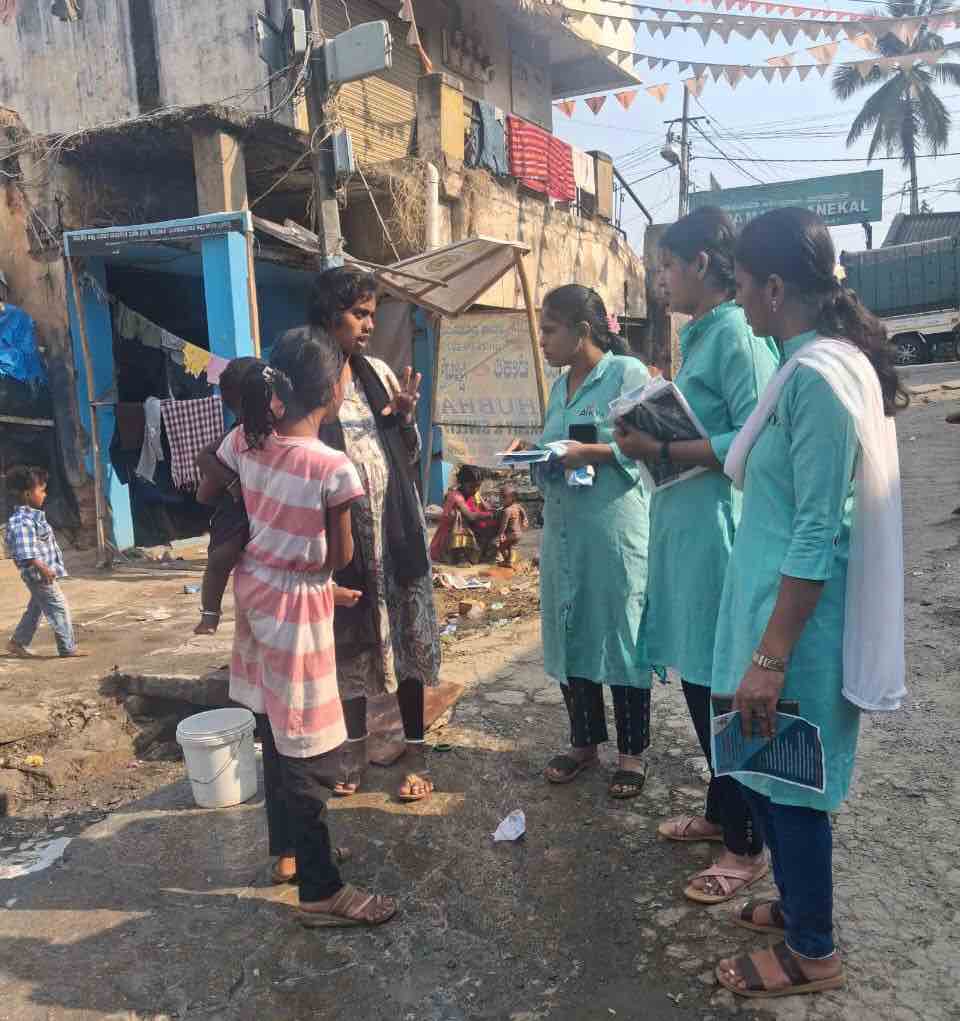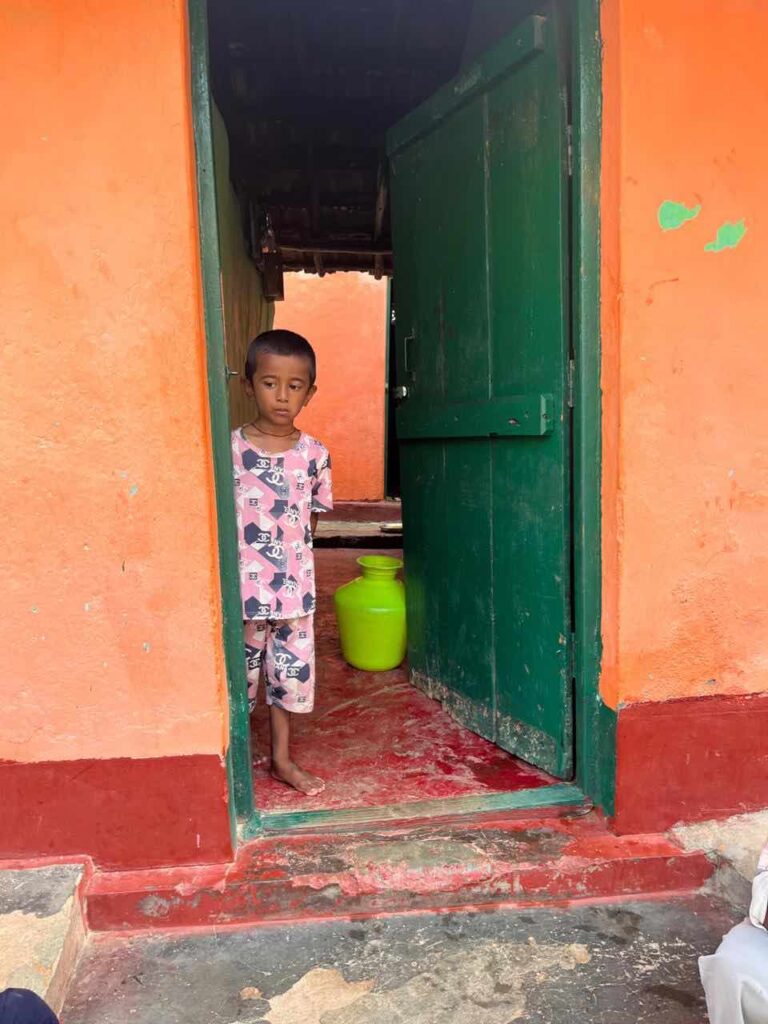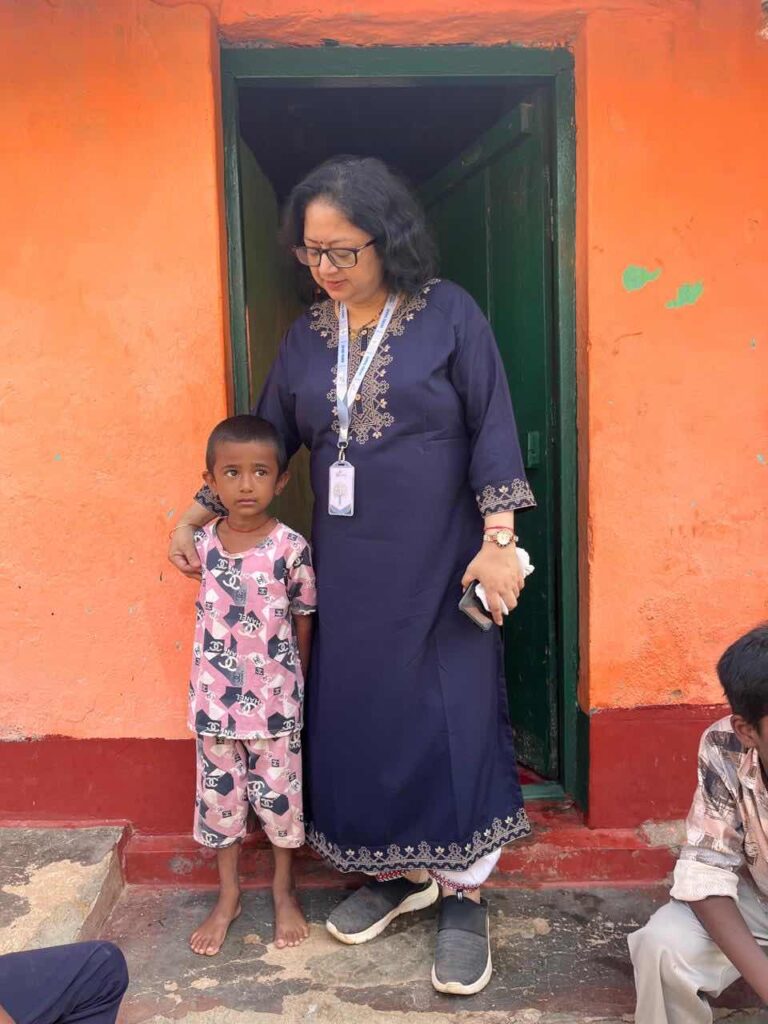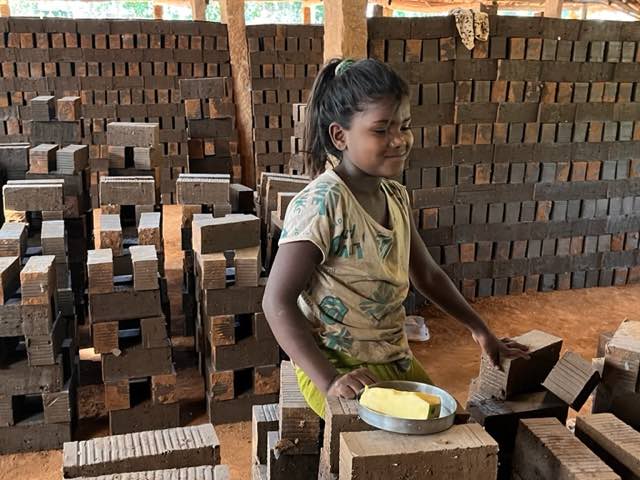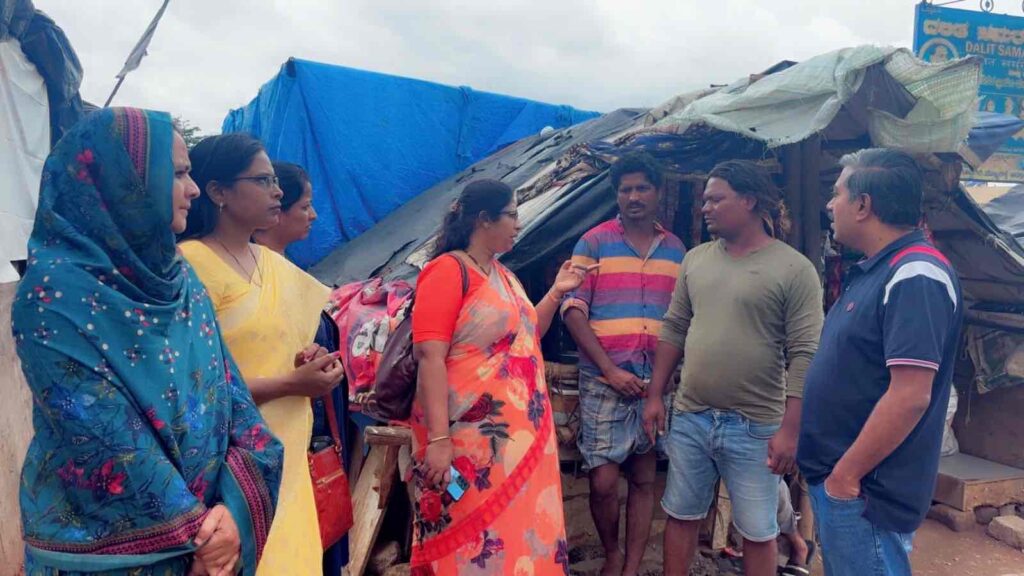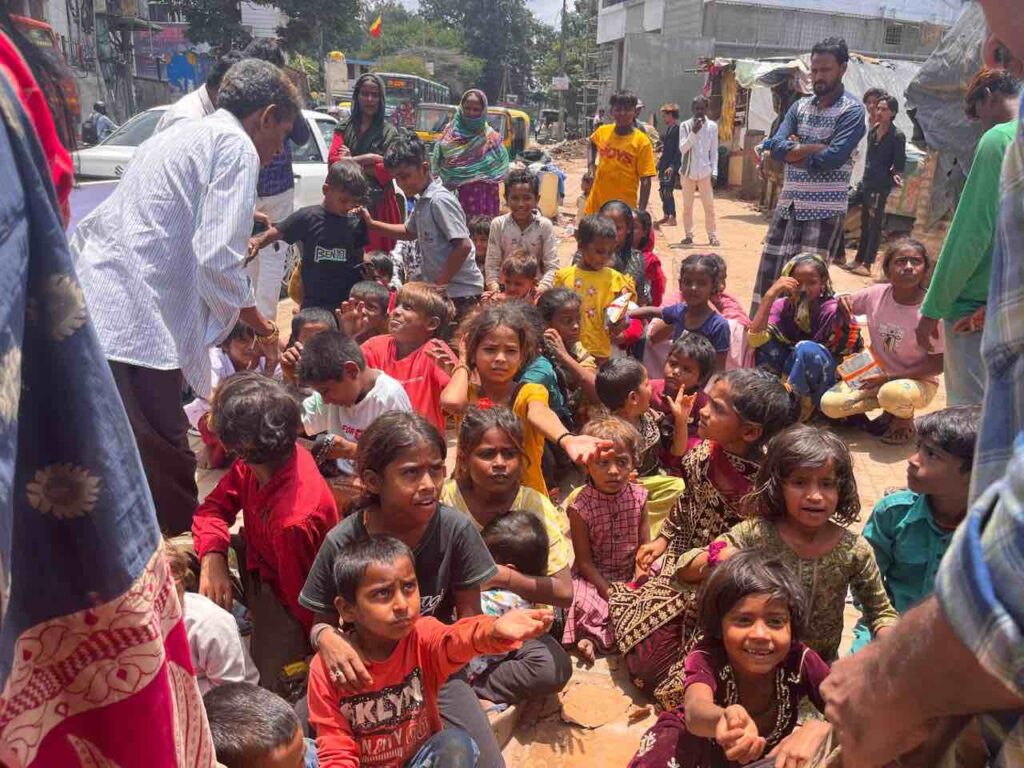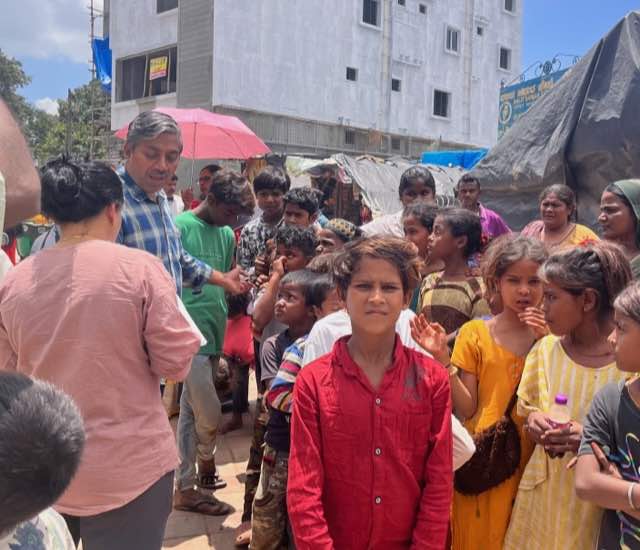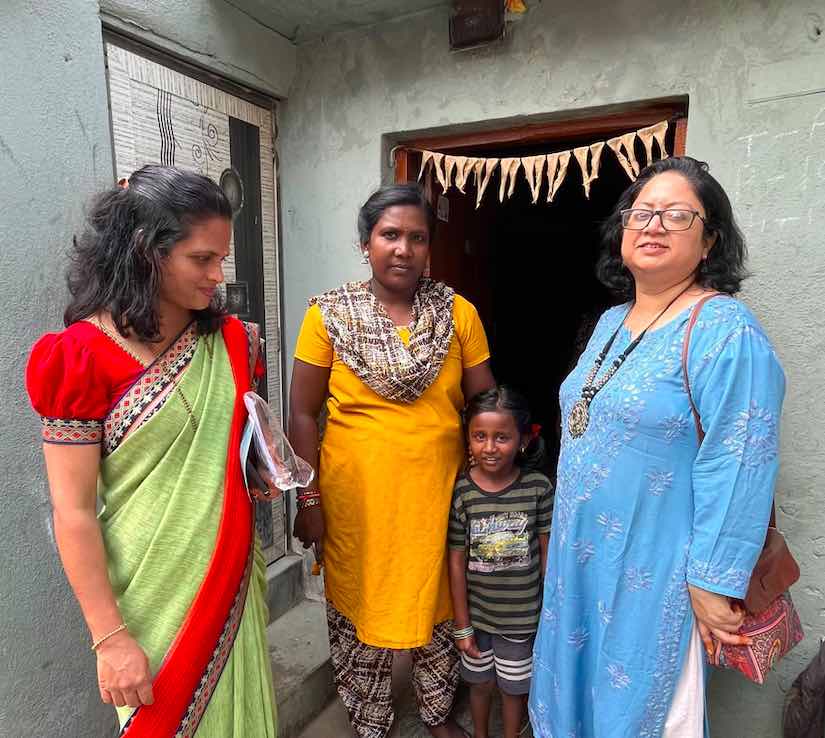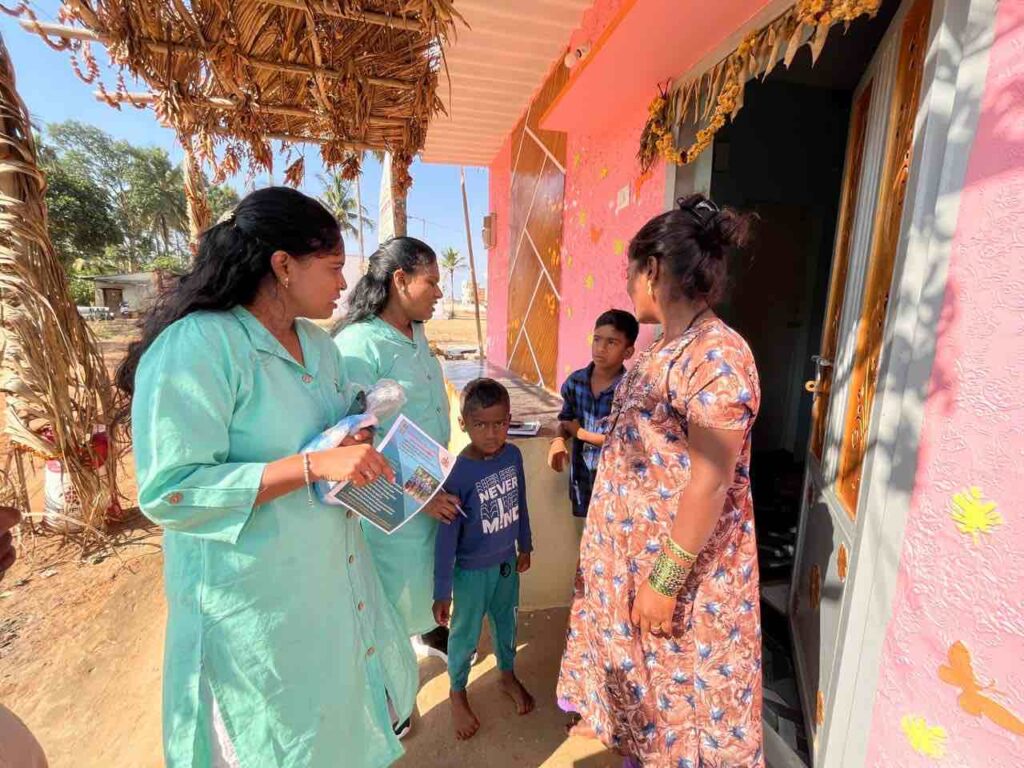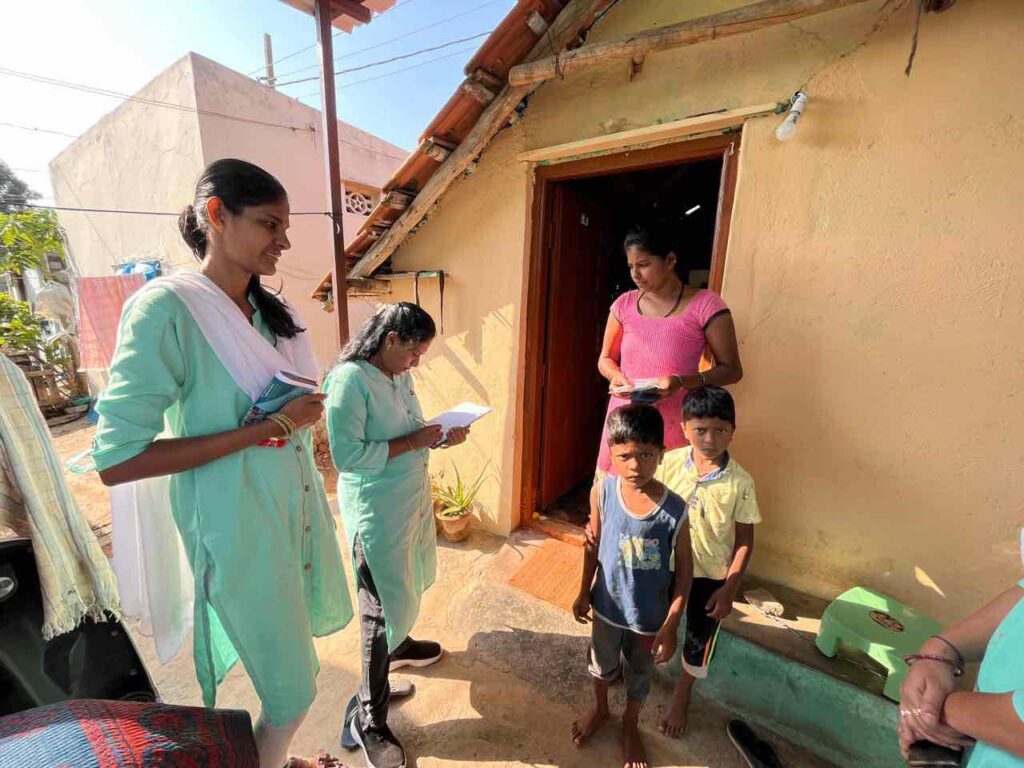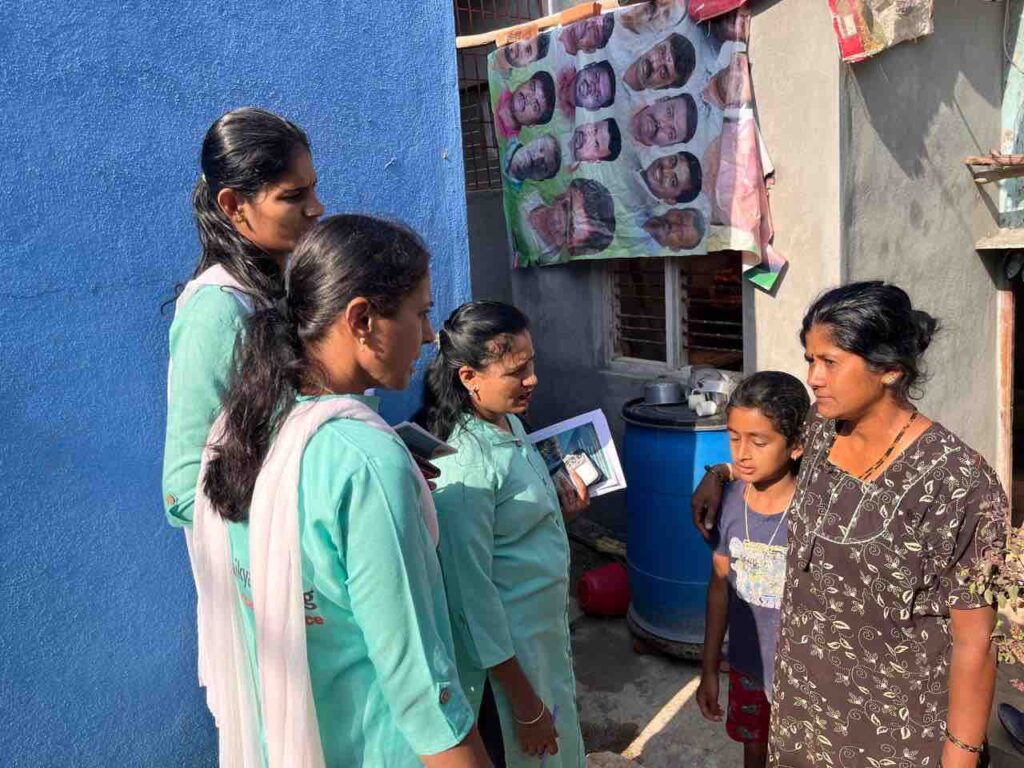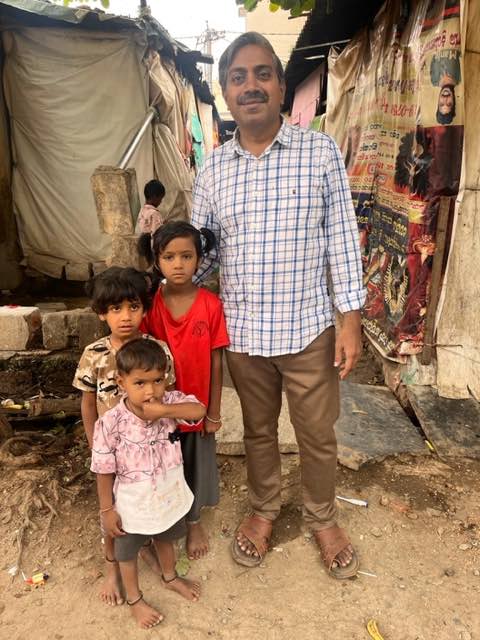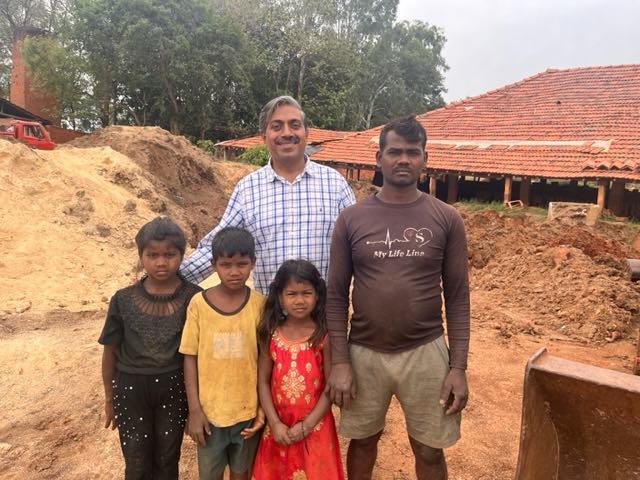
Last week, during our community and door-to-door survey in one of the deprived localities, we met several children aged 5, 6, and 7 who had never been to school. And this is not just one isolated case – we continue to see similar situations across many deprived localities and remote villages.
When a child misses school at the age of 10, 12, people notice. But when a child misses school during the early years of 4 to 6, it often goes unnoticed.
Many of these families are struggling with financial hardship, migration-related challenges, lack of transportation, and limited awareness about the importance of early childhood education. As a result, children enter school much later than they should. And children who start late often stay behind. By the time they enter primary school at the age of 7 or 8, many are already struggling to recognize letters, communicate confidently, or adapt to classroom learning. Over time, this leads to poor academic performance, low confidence, and eventually dropping out of school within a few years.
Through our surveys and community outreach efforts, we are trying to identify such children early and enrol them into formal schooling.
Every child enrolled in school is a step toward a future where a child’s birthplace or current circumstances does not define his or her destiny. The future of education does not begin in high school, It begins in the earliest years of childhood.